National
Trajectory
Projects
ntp-pnt.org

Anne G. Crocker
Directrice de la recherche et de l'enseignement universitaire, Institut national de psychiatrie légale Philippe-Pinel
Professeure titulaire, Faculté de médecine, Département de psychiatrie et d'addictologie, Université de Montréal
Professeure titulaire, École de criminologie, Université de Montréal




Tonia Nicholls
Médecine, UBC et scientifique émérite, BC Mental Health and Substances Use Services. Elle est boursière de la Fondation des IRSC et rédactrice en chef de l'International Journal of Forensic Mental Health. Ses recherches portent sur les intersections entre la santé mentale et le droit, avec un accent particulier sur les projets susceptibles d'améliorer les résultats en matière de santé et de réduire le fardeau social des populations marginalisées.

Michael Seto
Directeur, Unité de recherche médico-légale, Institut royal de recherche en santé mentale

Andrew Haag
Services de santé de l'Alberta

Mark Olver
Université de Saskatchewan, département de psychologie. Il est psychologue agréé et professeur de psychologie à l'Université de Saskatchewan, où il enseigne aux étudiants de premier et deuxième cycles, mène des recherches et supervise des travaux cliniques et de recherche. Les intérêts de recherche de Mark sont vastes, mais il s'intéresse particulièrement à l'évaluation des risques liés aux délinquants, aux traitements correctionnels, à la psychopathie et à l'évaluation des changements chez les délinquants.

Jamie Livingston
Professeur adjoint, criminologie, Université Saint Mary's, Halifax. Il est criminologue et enseigne les questions d'inclusion sociale et de justice sociale pour les personnes atteintes de maladies mentales, en mettant l'accent sur celles qui sont impliquées dans les systèmes pénal et judiciaire. Son programme de recherche porte principalement sur la stigmatisation, l'amélioration des services et les innovations en matière de santé mentale légale.

David Hill
Psychologue clinicien et professeur adjoint, Département de psychologie clinique de la santé, Université du Manitoba. Ses domaines de recherche comprennent la psychologie légale, l'évaluation légale de la santé mentale, la simulation, la psychopathie et l'évaluation des risques de violence.

Yanick Charette
École de travail social, Université Laval. Il est professeur adjoint à l'École de travail social et de criminologie de l'Université Laval. Ses recherches portent sur l'effet des facteurs dynamiques, structurels et liés au quartier sur le traitement et la récidive criminelle. Il s'intéresse également à l'analyse des réseaux sociaux, à la dissuasion criminelle et à la théorie du choix rationnel.

Michael Martin

Leila Salem
Elle a mené ses études doctorales en psychologie clinique, axant ses recherches sur l'influence du logement avec services de soutien sur le parcours clinique et criminel des personnes jugées non responsables criminellement en raison d'un trouble mental. Ses intérêts de recherche portent sur la réinsertion sociale des personnes atteintes de troubles mentaux qui ont eu des démêlés avec le système de justice pénale. Elle exerce actuellement en tant que psychologue légale à l'Institut Philippe Pinel de Montréal et au Service correctionnel du Canada.
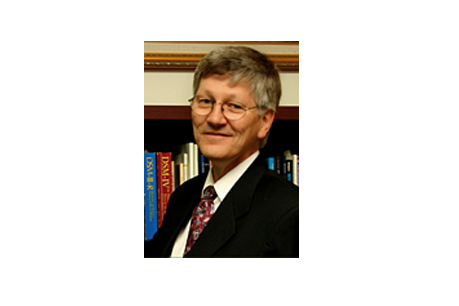
Gilles Côté
In Memoriam. Professeur associé au département de psychologie de l'Université du Québec à Trois-Rivières, Professeur associé aux départements de psychiatrie de l'Université de Montréal, de psychologie de l'Université de Sherbrooke, et chargé d'enseignement à l'université de Mons (Belgique). Il a été le directeur de la recherche à l’Institut national de psychiatrie légale Philippe-Pinel de 1998 à janvier 2017, après y avoir été chercheur régulier de 1986 à 1997.